Announcement: Revealing the A in LUMA
LUMA has always helped teams solve problems and achieve results with three core skills: Looking, Understanding, and Making. Now, we’re adding a new element to the LUMA System: Aligning!
Make Things Better
LUMA has always helped teams solve problems and achieve results with three core skills: Looking, Understanding, and Making. Now, we’re adding a new element to the LUMA System: Aligning!
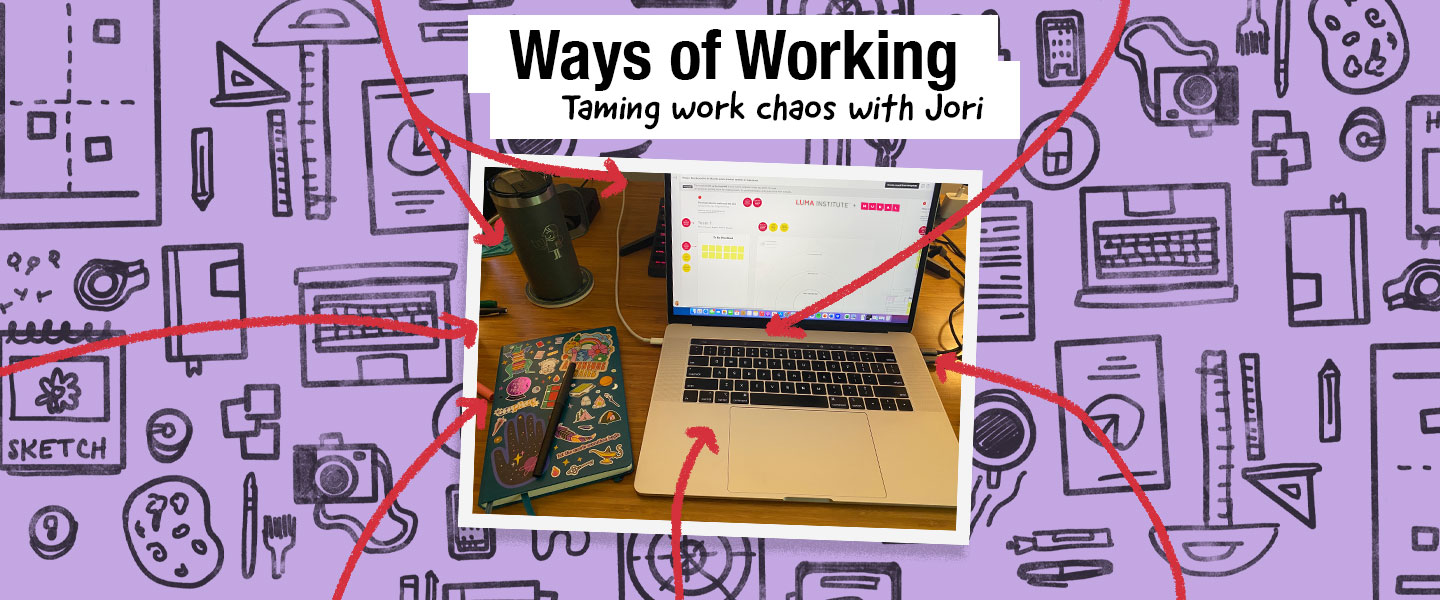
Sometimes work feels chaotic — chaos distracts us from what matters most. In this post, Jori offers three tips to stay productive: focus on importance, keep your priorities clear, and use your energy wisely!

Analogies help us explain things by drawing comparisons between the familiar and the unfamiliar. Explore analogies that help explain the LUMA System.
Watch a two-minute clip from the LUMA Summit featuring Cassandra Worthy and her answer to this question: How might we design for change in a human-centered way?
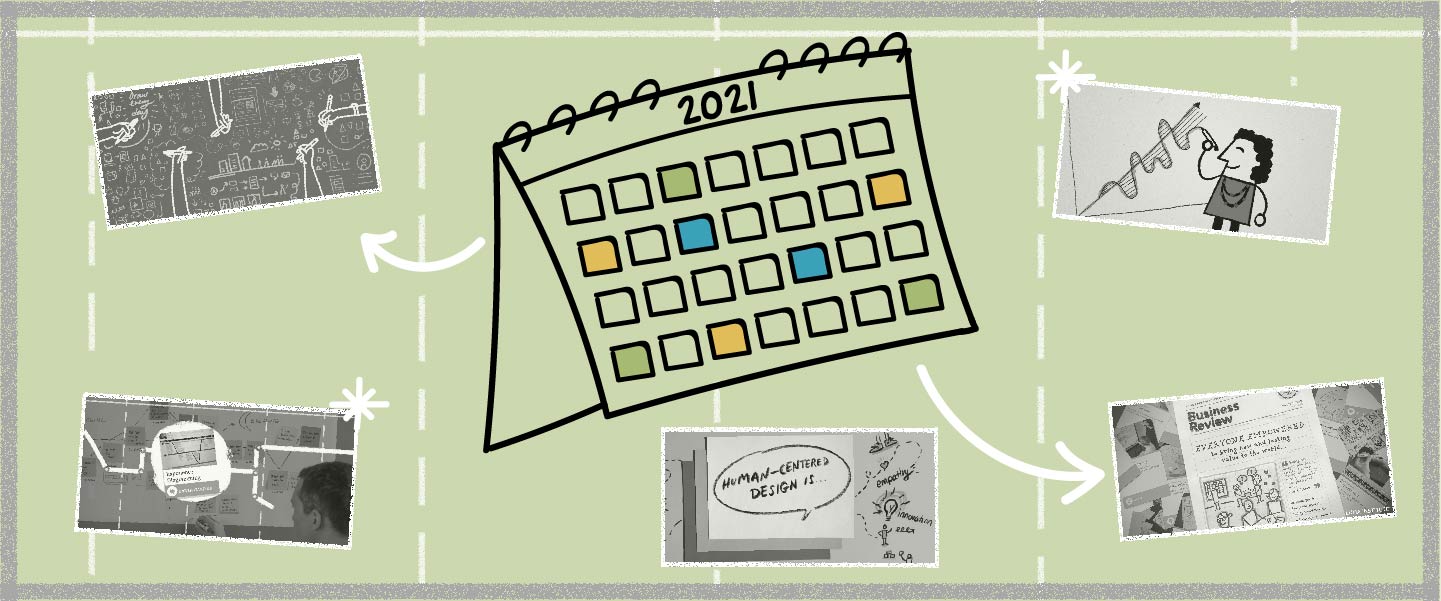
The end of a calendar year provides an excellent opportunity to reflect on all that we’ve accomplished. For our communications team, launching LUMA’s blog is at the top of our list. To celebrate, we’ve compiled a list of our most popular blog posts since we launched Posted Notes in April.
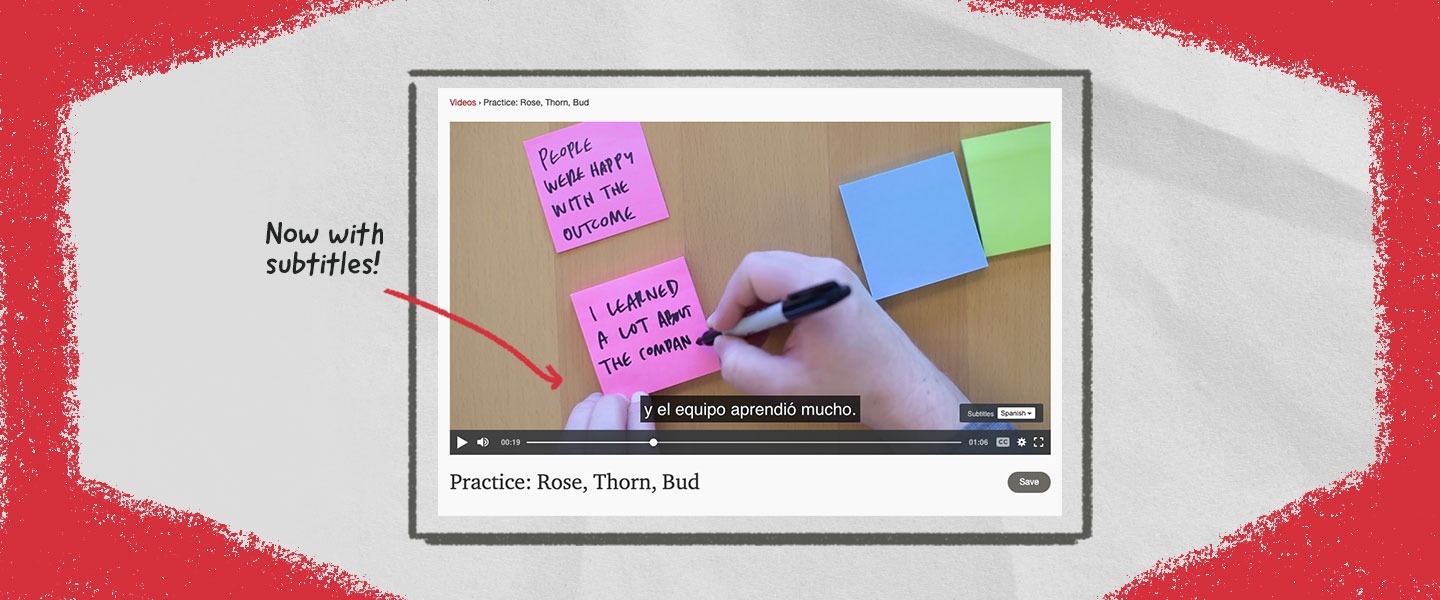
Our mission is to increase design literacy so that everyone can use the power of design to make things better! But we can’t reach that goal unless we communicate in multiple languages. That’s why we’re excited to announce that subtitles are now available for all videos on LUMA Workplace®.
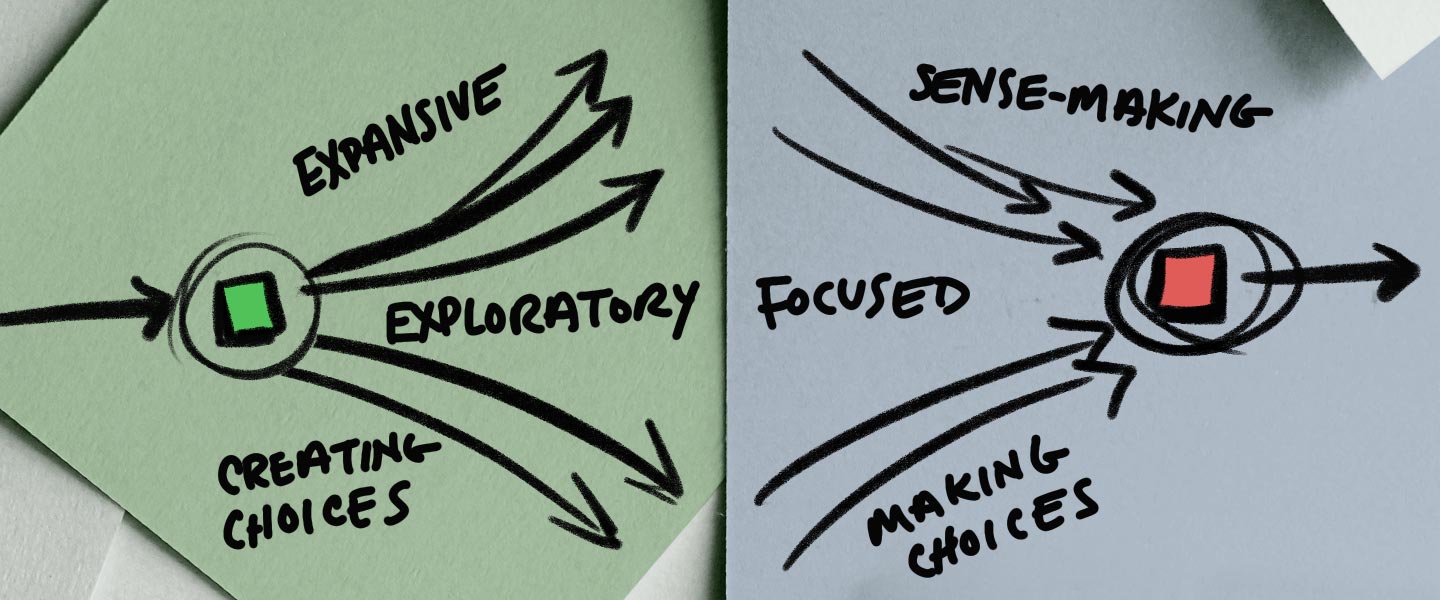
Design thinking requires iterative cycles of expansive and focused thinking to better understand people and problems, and then develop ideas and solutions. We refer to this as divergent thinking and convergent thinking. Navigating these moments of divergence and convergence is the key!
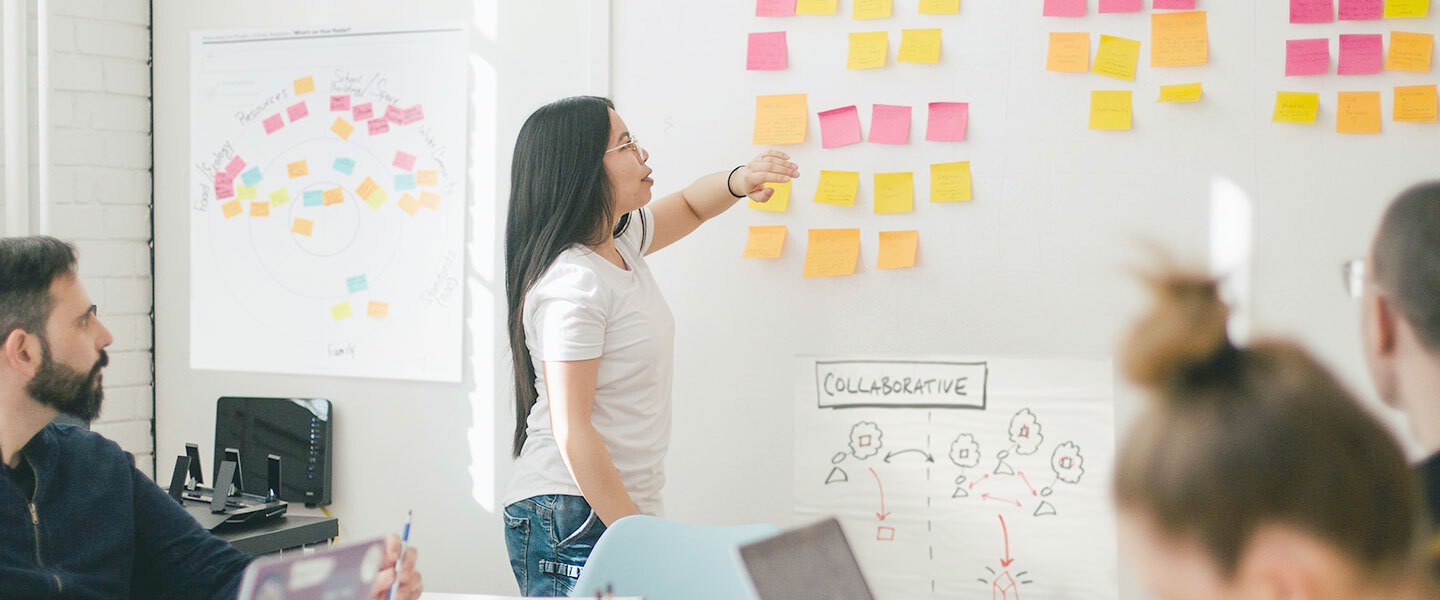
One of the main tenets of human-centered design is collaboration. Co-design deepens our empathy for others, increases our understanding of the challenges people face, and enables stakeholders to create solutions that truly meet their needs.
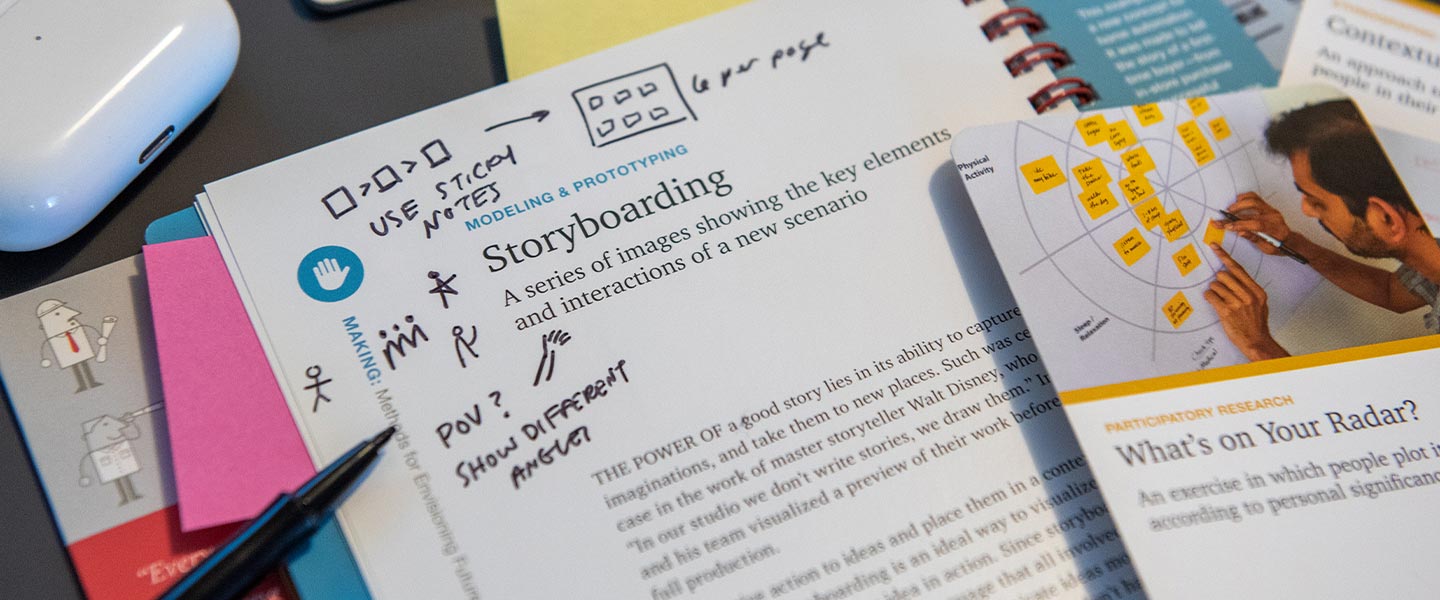
At first glance, some design methods appear to be very similar; however, when you look more closely, you realize they serve distinct purposes. In this post, we examine eight sets of methods that fit this paradigm and offer hints to help you distinguish between them.
When the co-founders of LUMA introduced a new approach to human-centered design, they needed a way to share it with everyone. The result was a handbook, “Innovating For People,” and a set of planning cards. Today, tens of thousands of copies are being used worldwide.