Human-Centered Design: The Social Technology That Makes Alignm...
Our research shows that despite all the technology we have, there’s a persistent obstacle that slows teams down more than anything else: They struggle to stay aligned.
Make Things Better
Our research shows that despite all the technology we have, there’s a persistent obstacle that slows teams down more than anything else: They struggle to stay aligned.
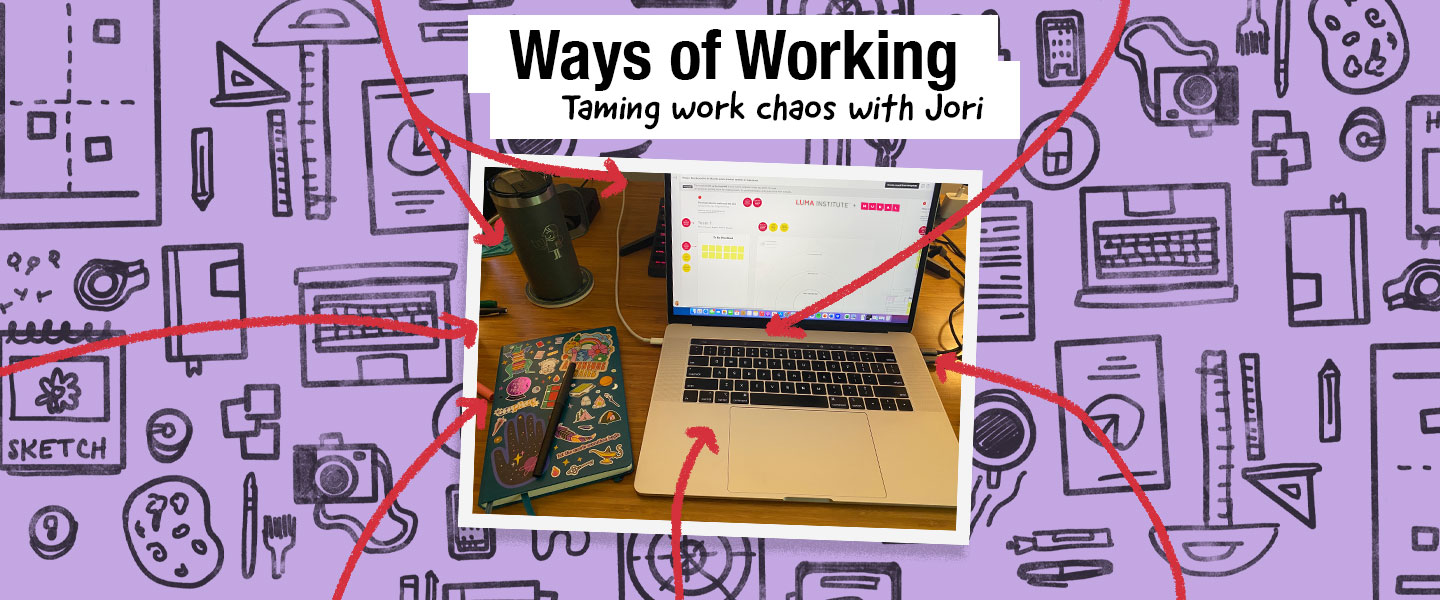
Sometimes work feels chaotic — chaos distracts us from what matters most. In this post, Jori offers three tips to stay productive: focus on importance, keep your priorities clear, and use your energy wisely!
Watch a two-minute clip from the LUMA Summit featuring Cassandra Worthy and her answer to this question: How might we design for change in a human-centered way?
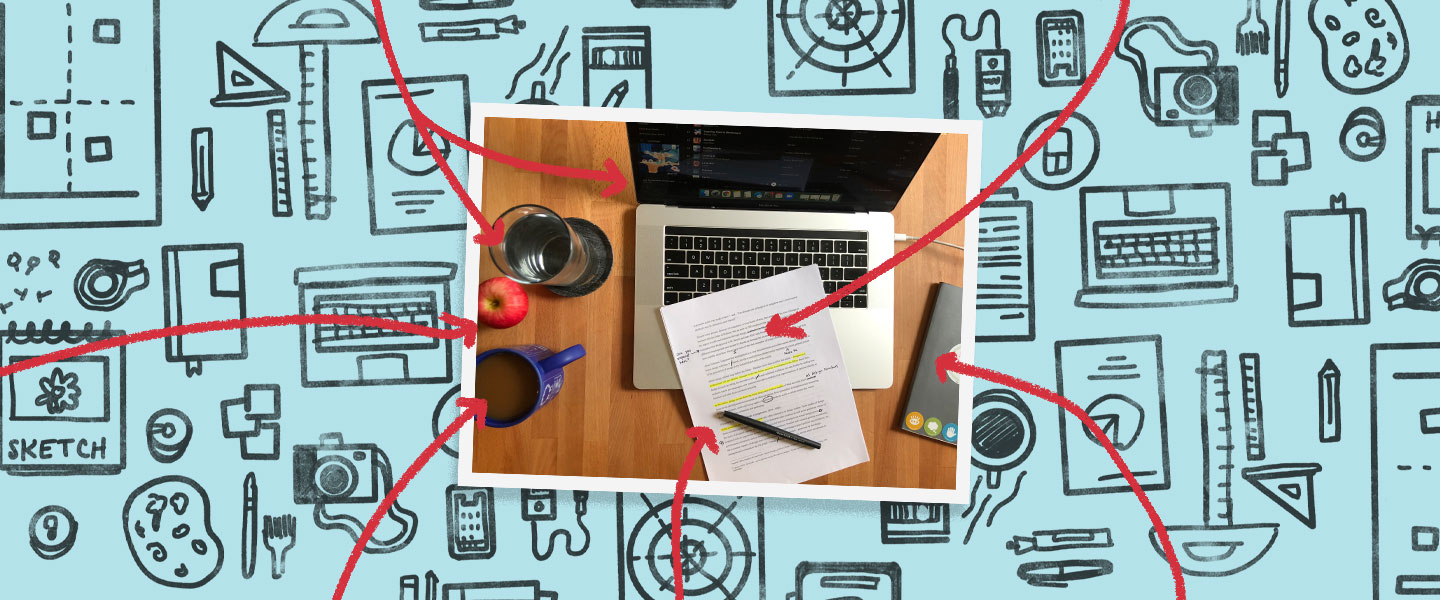
We’re introducing a new blog series called Ways of Working. In each edition, a member of the LUMA Community will share rituals, tools, and technology they use to do their best work. This week, LUMA communications manager Delaney Held covers the routines she follows while writing and editing.
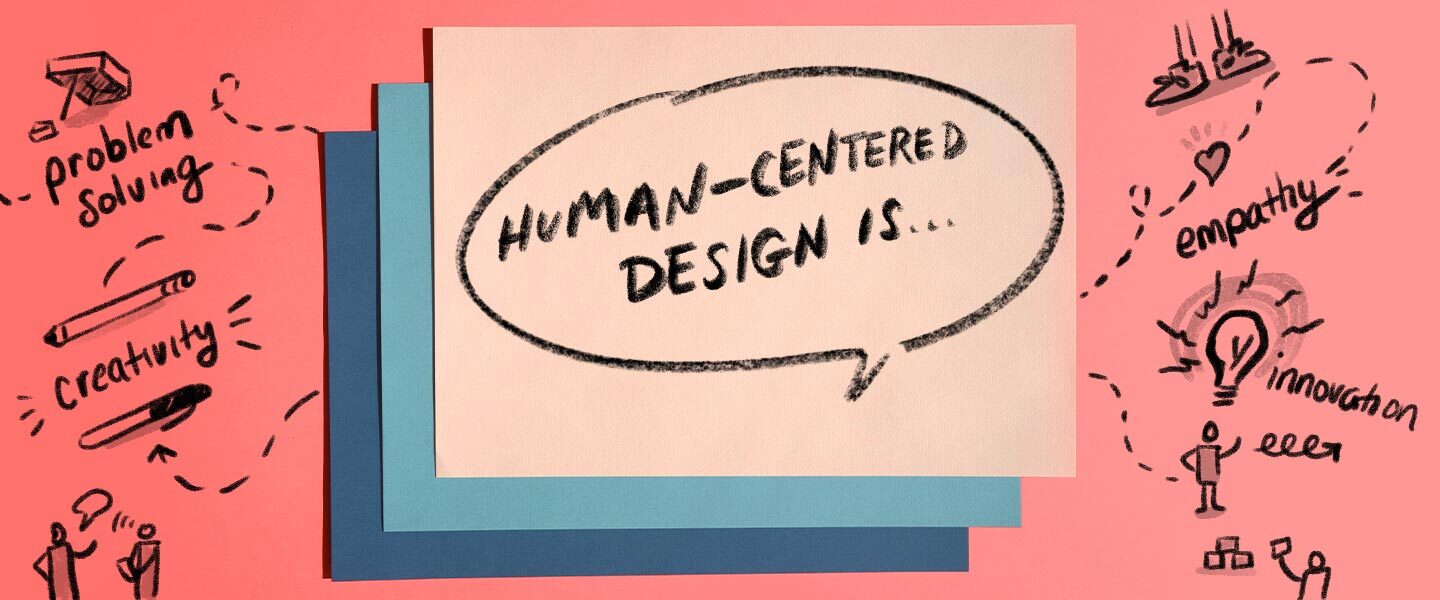
We asked members of our LUMA Community how they’d describe human-centered design in the most concise way possible. Here’s what they said.
They aren’t just a cliché background element to office life — they’re elegant devices waiting for you to use them to their fullest potential.
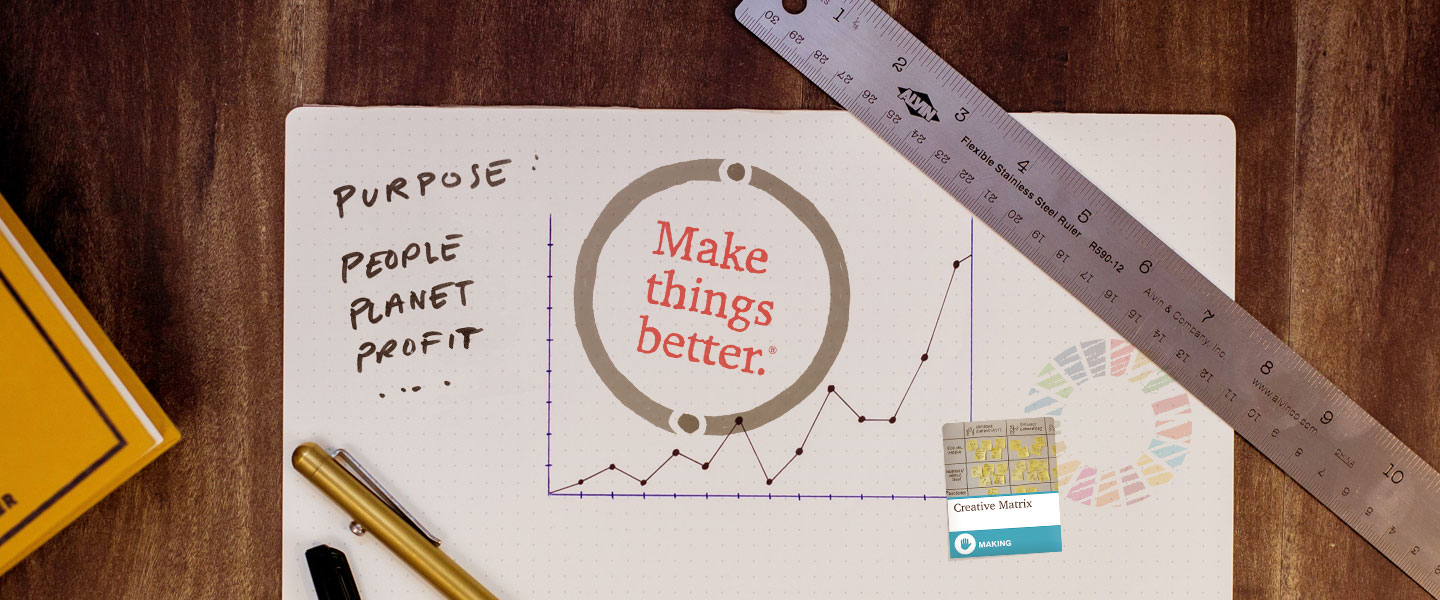
An extreme fixation on financial profit yields a poverty of purpose. Meanwhile, a careful pursuit of profit and purpose returns riches beyond measure. We are increasingly challenged to make things better — beyond the measures of financial gain.
LUMA CEO Chris Pacione was a guest on the Water in Real Life podcast. Chris breaks down LUMA’s approach to design and how it applies to something humans rely on every day: water.
LGBTQ+ Pride Month is a time to celebrate inclusion and diversity, and reflect on our calling as human-centered designers to love and serve everyone. We’re adopting diversity, equity, and inclusion as more than just opportune buzzwords – we’re embracing them as core values and strategic pillars.
If you build up the habit of drawing every day, and if you approach it with the mindset of “drawing to communicate,” you’ll find that being visual can become second nature, just like when we were kids.